To improve your Quran pronunciation, learn where each letter comes from (makharij), listen to a skilled reciter, recite slowly, record yourself and get regular correction from a teacher. Good pronunciation is built through ears and repetition, not only by reading rules.
1. Learn the makharij
Every Arabic letter is produced from a specific place: the throat, the tongue, the lips or the nose. Knowing these points of articulation is the foundation of correct pronunciation.
2. Listen before you recite
Choose one well-known reciter with clear, measured recitation and listen to the passage you are learning several times before reciting it.
3. Slow down
Reciting slowly (tarteel) gives you time to place each letter correctly. Speed comes naturally later.
4. Record and compare
Record yourself reciting one page, then compare it with the reciter. You will notice mistakes you never hear while reciting.
5. Practise difficult letters daily
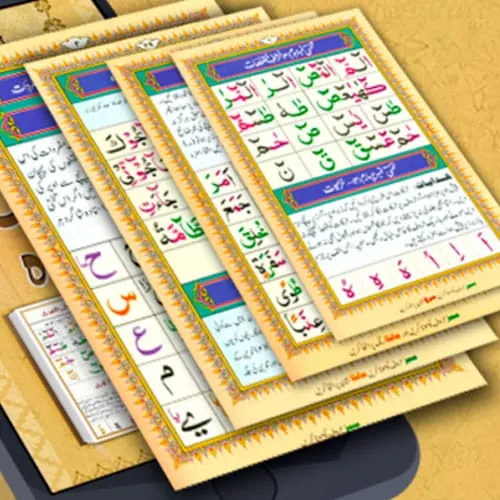
Spend a few minutes on the letters you find hardest, such as Ayn, Haa, Qaf and Daad, in short words first.
6. Get live correction
A teacher hears what you cannot. In one-on-one lessons they correct each letter immediately. Our online Tajweed course focuses on exactly this. See also the most common Tajweed mistakes.
Frequently Asked Questions
How can I pronounce the Quran correctly?
Learn the makharij, listen to a skilled reciter, recite slowly and get regular correction from a qualified teacher.
Which letters are hardest for English speakers?
Usually Ayn, Haa, Qaf, Daad and the heavy letters such as Saad and Ta.
Does recording myself really help?
Yes. Listening back reveals mistakes you do not notice while reciting.